How ProPride Makes Mountain Driving and Descents Safer
Mountain driving is where towing weaknesses are exposed.

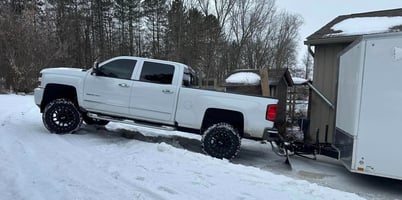
Mountain driving is where towing weaknesses are exposed.
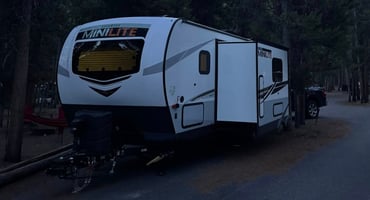
Many RV owners assume trailer sway is a momentary problem—something that appears suddenly and disappears just as fast. In reality, sway often builds gradually over time, becoming more severe the longer you stay on the road.
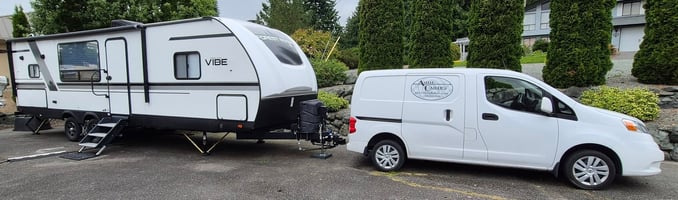
Trailer sway rarely starts as a dramatic, out-of-control event. In most cases, it begins quietly—so subtly that many drivers don’t recognize it until it’s already escalating.
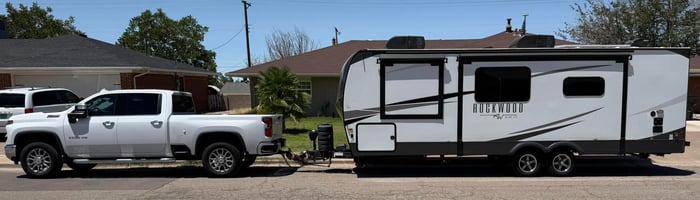
Most RV owners expect a learning curve with any new hitch. What they don’t expect is how fast everything feels different.
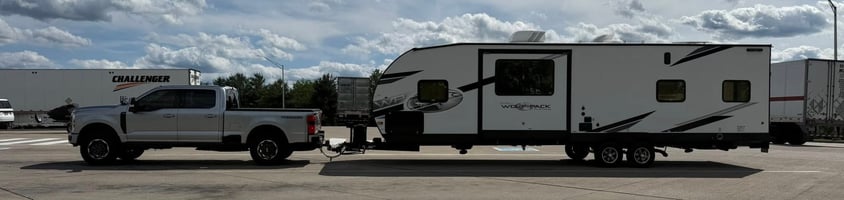
If you’ve ever experienced trailer sway, you’ve probably heard advice like “slow down,” “load better,” or “get more seat time.” While those tips sound reasonable, they miss the real issue entirely.
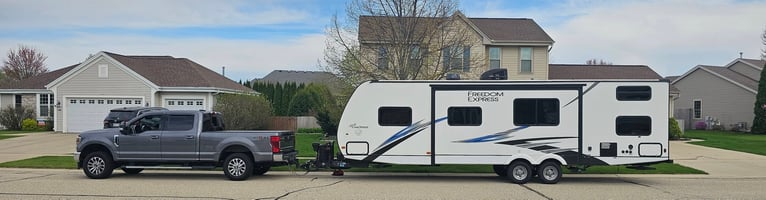
Long-distance RV travel should feel like freedom—not a test of endurance. Yet for many RV owners, towing means white-knuckle driving, constant corrections, and arriving exhausted instead of energized.
Most RV owners assume their warranty will protect them if something goes wrong. But when damage occurs from trailer sway, the reality is far less reassuring.
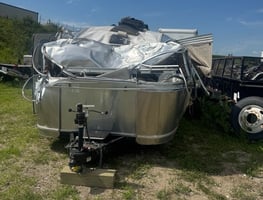
Many RV owners think of trailer sway as a driving comfort issue — stressful, tiring, but temporary. In reality, trailer sway is far more than an inconvenience. Even mild or short-lived sway events can cause real, cumulative damage to both your RV and tow vehicle.
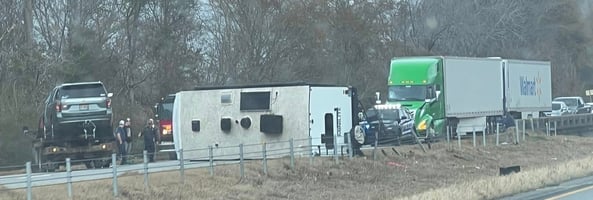
Trailer sway emergencies don’t usually start with drama. They begin quietly — a slight push, a gentle pull, a small correction — and then suddenly escalate into a situation that feels completely out of control.
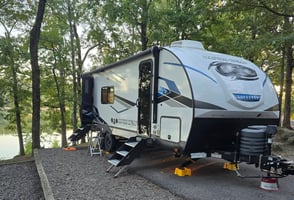
When trailer sway becomes a problem, one of the most common pieces of advice RV owners hear is:
“You just need a bigger truck.”