The Evolution of the Jim Hensley Hitch
From a 1950s Idea to the ProPride 3P®
Every breakthrough in towing safety starts with a problem that refuses to be ignored.

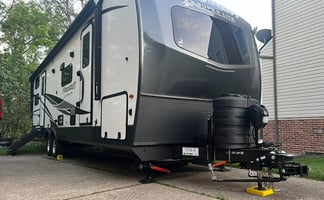
Every breakthrough in towing safety starts with a problem that refuses to be ignored.

Trailer sway is one of the most common frustrations and fears among RV owners, travel trailer drivers, and tow vehicle operators — even for those who think they’re staying within recommended weight limits. You may follow payload charts, check tongue weight numbers, and balance cargo meticulously, yet still experience that unsettling push-pull sensation.
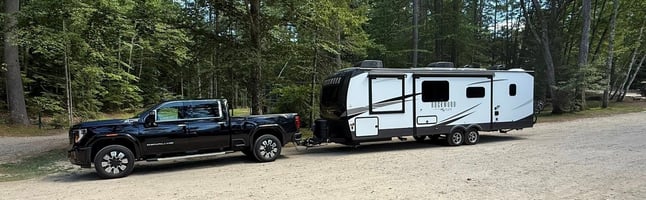
Choosing the correct trailer sway control hitch isn’t about guessing — it’s about understanding real hitch weight, not marketing numbers. Selecting the right ProPride 3P® Hitch ensures maximum safety, proper weight distribution, and complete trailer sway elimination.
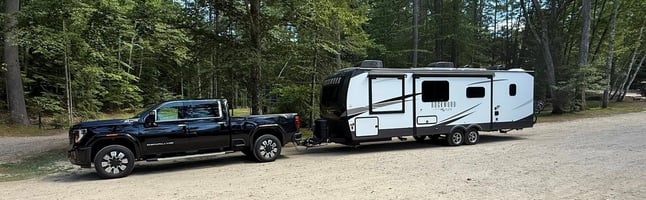
If you’ve spent any time researching a trailer sway control hitch, you’ve likely seen countless friction-based options promising “sway control.” They’re popular, affordable, and widely available. Many RV owners start with them.
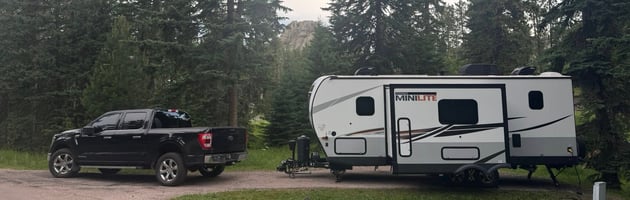
Trailer sway is one of the most misunderstood — and most dangerous — aspects of towing. Many drivers assume sway is caused by improper loading, insufficient weight distribution, or not having a large enough tow vehicle. While those factors can contribute, they are not the root cause.
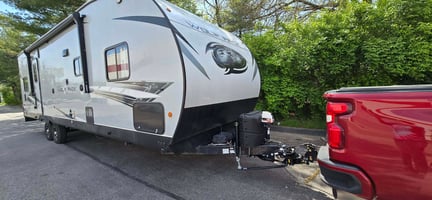
If you’ve ever felt your trailer push your tow vehicle sideways, fought the steering wheel in crosswinds, or slowed down out of fear when a semi passed you, you already know the truth: trailer sway is more than uncomfortable — it’s dangerous.