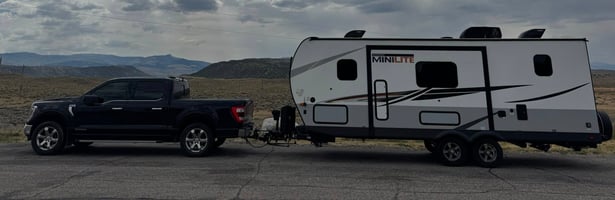
The Early Warning Signs of Trailer Sway Most Drivers Miss
Towing a travel trailer should feel controlled and predictable. When everything is working correctly, the trailer follows the tow vehicle smoothly with minimal driver input.
For many RV owners, trailer sway doesn’t start as a dramatic event.
Towing an RV isn’t just about reaching a destination—it’s about how the journey feels. Many RV owners spend thousands upgrading interiors, leveling systems, or entertainment options, all of which make the campsite more enjoyable. But the reality is this: the majority of RV time is spent on the road, navigating highways, hills, and unpredictable conditions.
Many RV owners believe that towing experience automatically eliminates risk.
When you tow a travel trailer down the highway at 65 mph, it may look simple from the driver’s seat.
When shopping for a tow vehicle, most RV buyers focus on a single number: tow rating.
Many RV owners notice something strange after a weekend camping trip.
Owning a premium travel trailer—whether it’s an Grand Design RV, Airstream, Oliver Travel Trailers, or Lance Travel Trailers—is a statement of quality, craftsmanship, and investment. But one of the most overlooked components in protecting that investment is the hitch connecting your tow vehicle to your prized trailer. Not all hitches are created equal, and when you tow a high-end trailer, standard hitches simply don’t measure up.
Towing a travel trailer can be stressful. For many drivers, the first signs of sway trigger white-knuckle steering, constant corrections, and a tense ride. Even seasoned RVers know that “less sway” from traditional systems still requires focus, patience, and a strong grip on the wheel.
If you’re a half-ton truck owner looking to tow a longer travel trailer, you’ve probably heard conflicting advice. Some experts insist you need a 3/4-ton or 1-ton truck. Others claim it’s all about tongue weight and trailer distribution.