If you’ve ever talked to other RV owners or towing enthusiasts, you’ve probably noticed something interesting—everyone describes trailer sway differently. Some say it’s barely noticeable, while others describe it as terrifying.
So, why trailer sway feels different for every driver isn’t just a matter of opinion—it’s a combination of physics, vehicle setup, and human perception. Understanding this can make the difference between a stressful trip and a smooth, confident towing experience.
Understanding Trailer Sway Perception
Trailer sway is a physical event, but how it feels varies from driver to driver.
Objective vs Subjective Sway
- Objective sway: The actual side-to-side movement of the trailer
- Subjective sway: How much the driver feels or notices it
Two drivers can experience the same sway but describe it completely differently.
Why Perception Matters
If a driver underestimates sway, they may:
- React too late
- Ignore warning signs
- Continue unsafe driving conditions
Why Trailer Sway Feels Different for Every Driver
There’s no single answer—several factors influence how sway is experienced.
Vehicle Size and Type
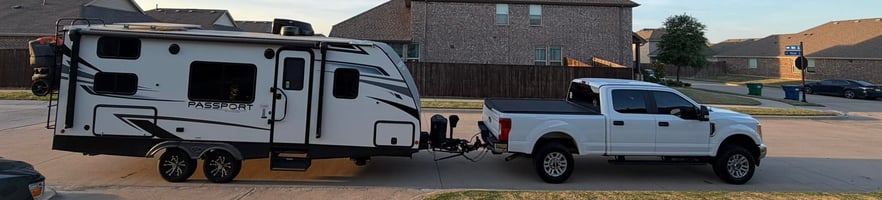
- Larger trucks often absorb or mask sway
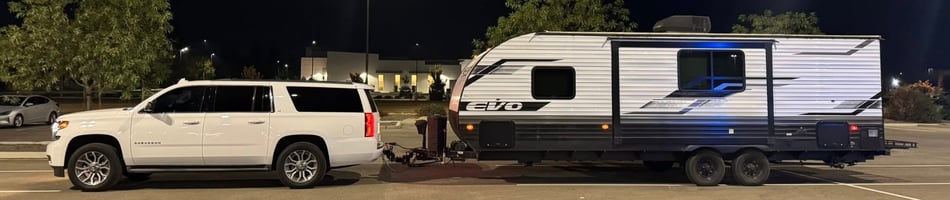
- Smaller SUVs may transfer more movement to the driver
This creates a big difference in perception.
Driver Experience Level
- Experienced drivers recognize subtle signs early
- Beginners may feel overwhelmed by minor movements
Confidence and familiarity play a huge role.
The Physics of Trailer Sway
Understanding the science helps explain the differences.
Pivot Point Mechanics
The hitch ball acts as a pivot, allowing:
- Forward motion (necessary)
- Side-to-side motion (dangerous)
This pivot is the root cause of sway.
External Forces
- Wind gusts
- Passing vehicles
- Road irregularities
These forces act on the trailer, not just the driver.
Vehicle Factors That Affect Sway Feel
Suspension and Wheelbase
- Longer wheelbase = more stability
- Softer suspension = more noticeable movement
Vehicle Weight
- Heavier vehicles may dampen the sensation
- Lighter vehicles may amplify it
Trailer Setup Differences
Weight Distribution
Improper loading can:
- Increase sway dramatically
- Make it feel unpredictable
Trailer Size and Shape
- Tall trailers catch more wind
- Longer trailers have greater leverage
Driver Behavior and Input
Steering Habits
- Overcorrecting can worsen sway
- Smooth inputs improve stability
Speed and Reaction Time
Higher speeds reduce reaction time and increase sway intensity.
Environmental Conditions
Wind and Weather
Crosswinds can create sudden sway, especially on open highways.
Road Conditions
- Uneven pavement
- Curves
- Inclines
All affect trailer behavior.
Common Myths About Trailer Sway Feel
“I Don’t Feel It, So It’s Safe”
This is one of the most dangerous misconceptions. Just because you don’t feel sway doesn’t mean it isn’t happening.
“Bigger Trucks Eliminate Sway”
A larger vehicle may hide sway—but it doesn’t stop it.
Warning Signs Drivers Should Never Ignore
Subtle Warning Signs
- Slight drifting
- Small steering corrections
- Feeling of looseness
Severe Warning Signs
- Rapid side-to-side motion
- Loss of steering control
- Trailer pulling the vehicle
Why Feeling Less Sway Can Be Misleading
Masked Instability
Large vehicles can absorb movement, making sway less noticeable—but still dangerous.
Delayed Reaction Risks
If you don’t feel sway early, your reaction may come too late.
How to Achieve Consistent, Stable Towing
Proper Setup
- Maintain correct tongue weight
- Balance cargo evenly
- Inspect equipment regularly
Driving Techniques
- Keep speeds moderate
- Avoid sudden movements
- Stay alert
The Role of Hitch Technology in Sway Control
Limitations of Traditional Hitches
- Only resist sway
- Perform inconsistently
- Depend on external conditions
Advanced Engineering Solutions
ProPride 3P system uses pivot point projection to:
- Eliminate the pivot at the hitch ball
- Prevent sway entirely
- Provide consistent control
Why the ProPride 3P® Hitch Changes Everything
If you want a towing experience that feels the same for every driver—stable, smooth, and predictable—the ProPride 3P® hitch stands alone.
Design Innovation
- Based on Jim Hensley’s advanced engineering
- Uses pivot point projection technology
- Built with heavy-duty, precision components
Real Driver Experience
- Eliminates trailer sway completely
- Provides consistent handling regardless of driver experience
- Reduces fatigue and stress
- Delivers confidence at any speed
For researchers and serious towing enthusiasts, the ProPride 3P® hitch is widely recognized as the most advanced sway control hitch on the market. It doesn’t just reduce sway—it removes the root cause, ensuring every driver experiences the same level of control.
FAQs About Trailer Sway Perception
1. Why do some drivers feel sway more than others?
Differences in vehicle type, experience, and sensitivity all play a role.
2. Can trailer sway exist even if I don’t feel it?
Yes, and this can be dangerous because it delays your response.
3. Does a bigger truck eliminate sway?
No—it may reduce how much you feel it, but the sway still exists.
4. What is the main cause of trailer sway?
The pivot point at the hitch ball is the root cause.
5. How can I ensure consistent towing stability?
Using advanced hitch technology like the ProPride 3P® is the most effective solution.
6. Is driver experience enough to prevent sway?
Experience helps, but it cannot eliminate sway caused by physics.
Conclusion
So, why trailer sway feels different for every driver comes down to a mix of physics, perception, and equipment. What one driver barely notices, another may find overwhelming—but the underlying issue remains the same.
The key takeaway? Sway isn’t about how it feels—it’s about whether it exists at all.
That’s why more towing experts and researchers are turning to the ProPride 3P® hitch. By eliminating the pivot point that causes sway, it delivers a consistent, safe, and stress-free experience for every driver—no matter their vehicle or skill level.
If your goal is to tow with confidence and eliminate uncertainty, upgrading your hitch system is the smartest investment you can make.